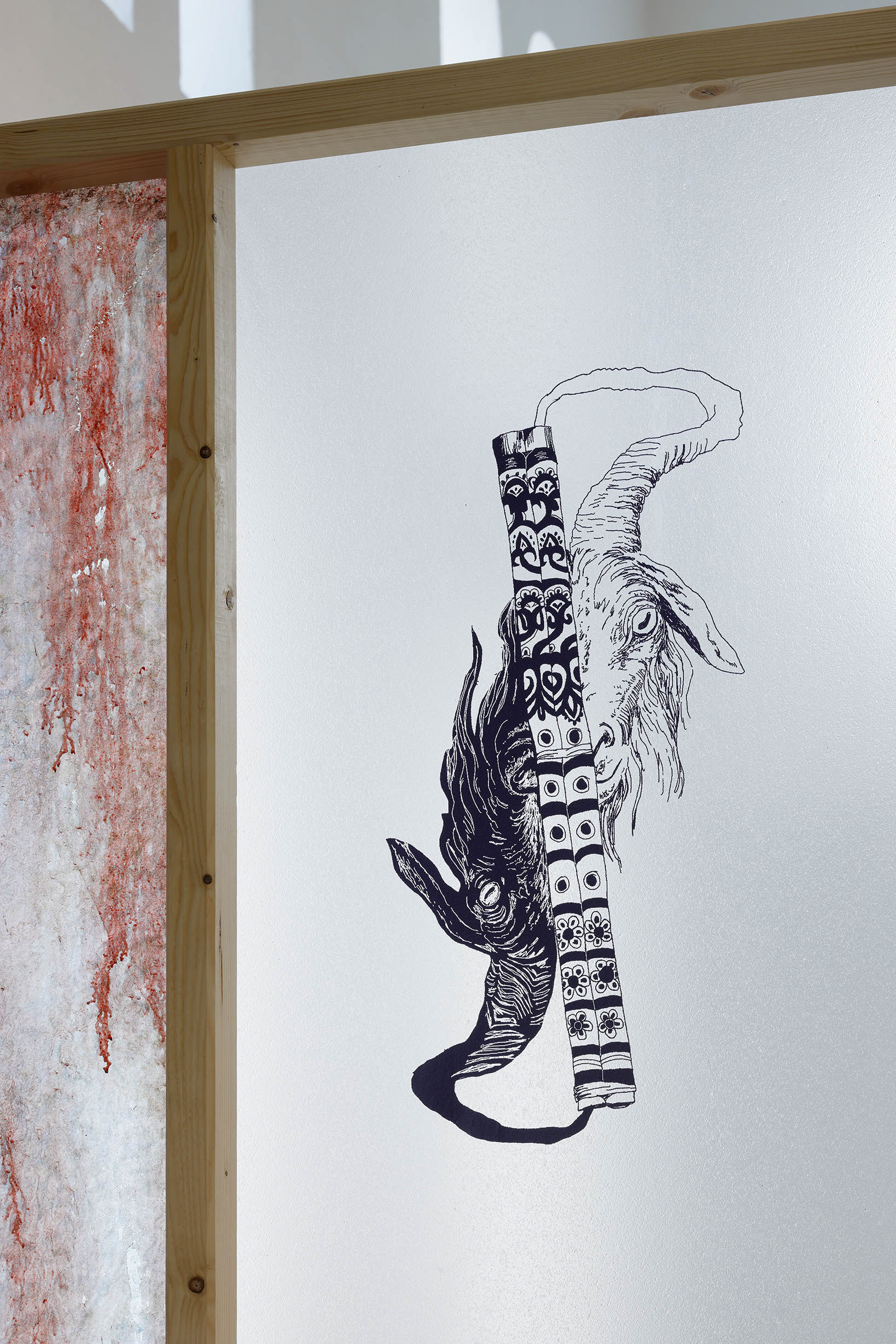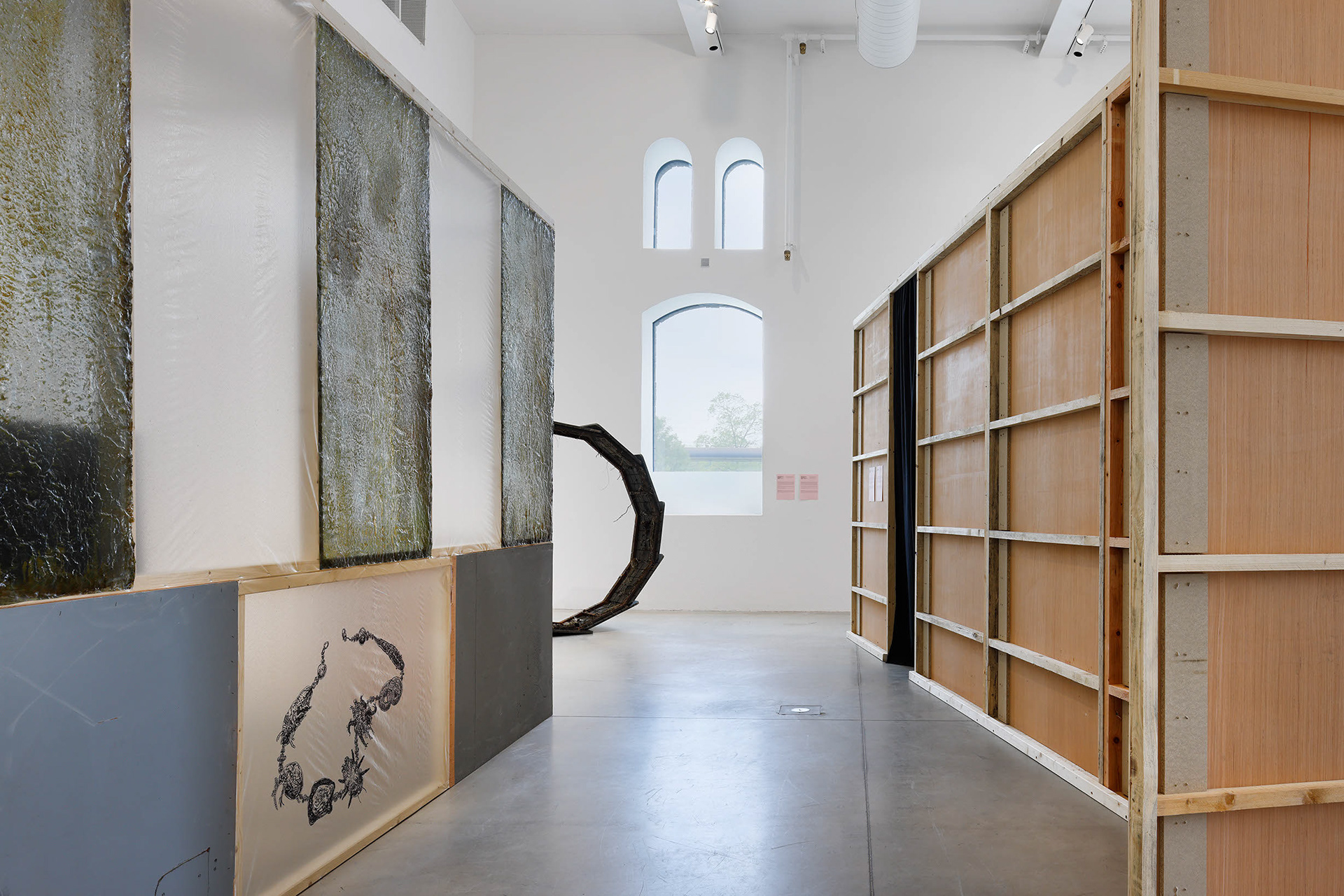
A Hotel for Tired Arguments
(From the series Compostographies)
Steel, MDF, garden residues
600x1860x1860mm
2026
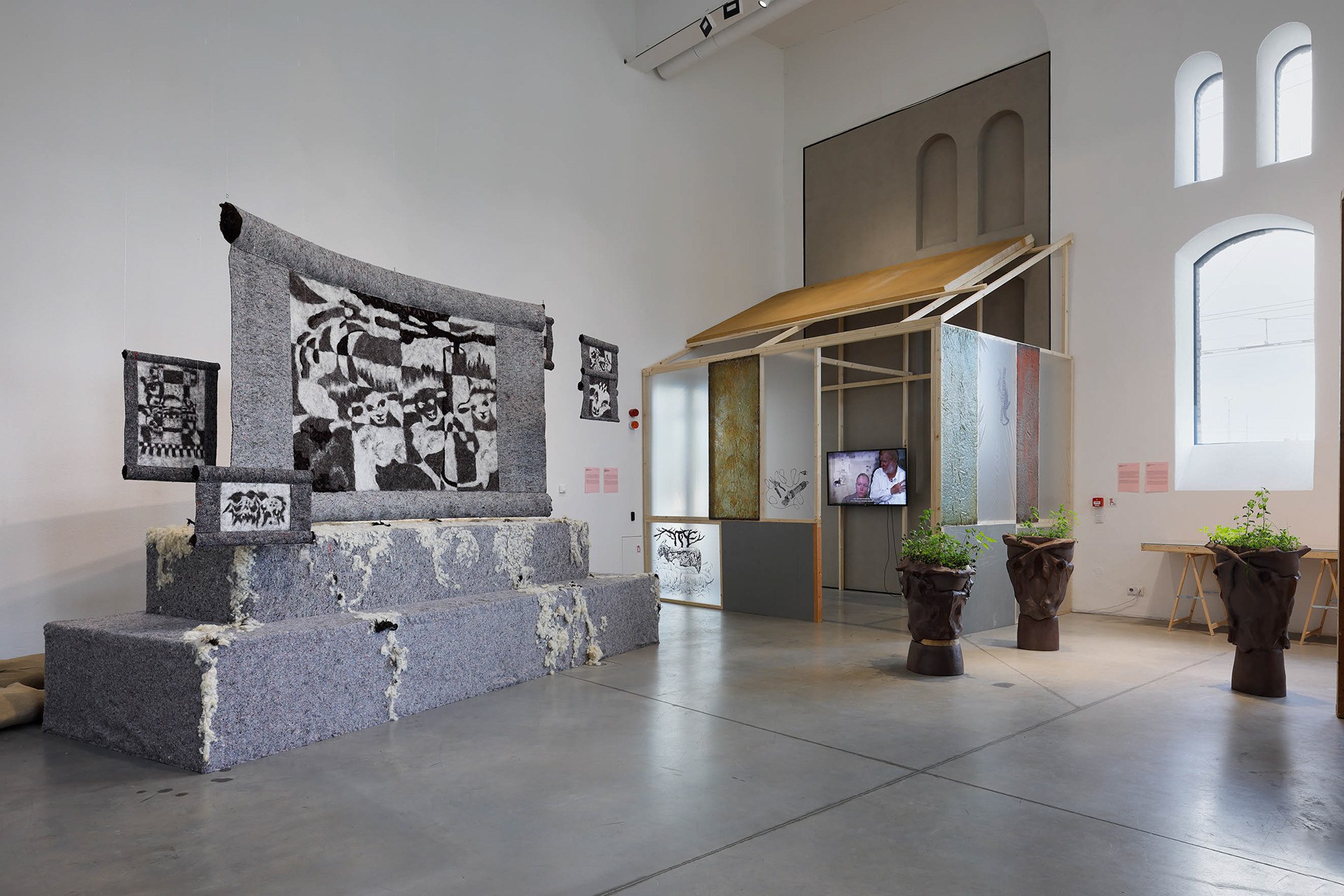
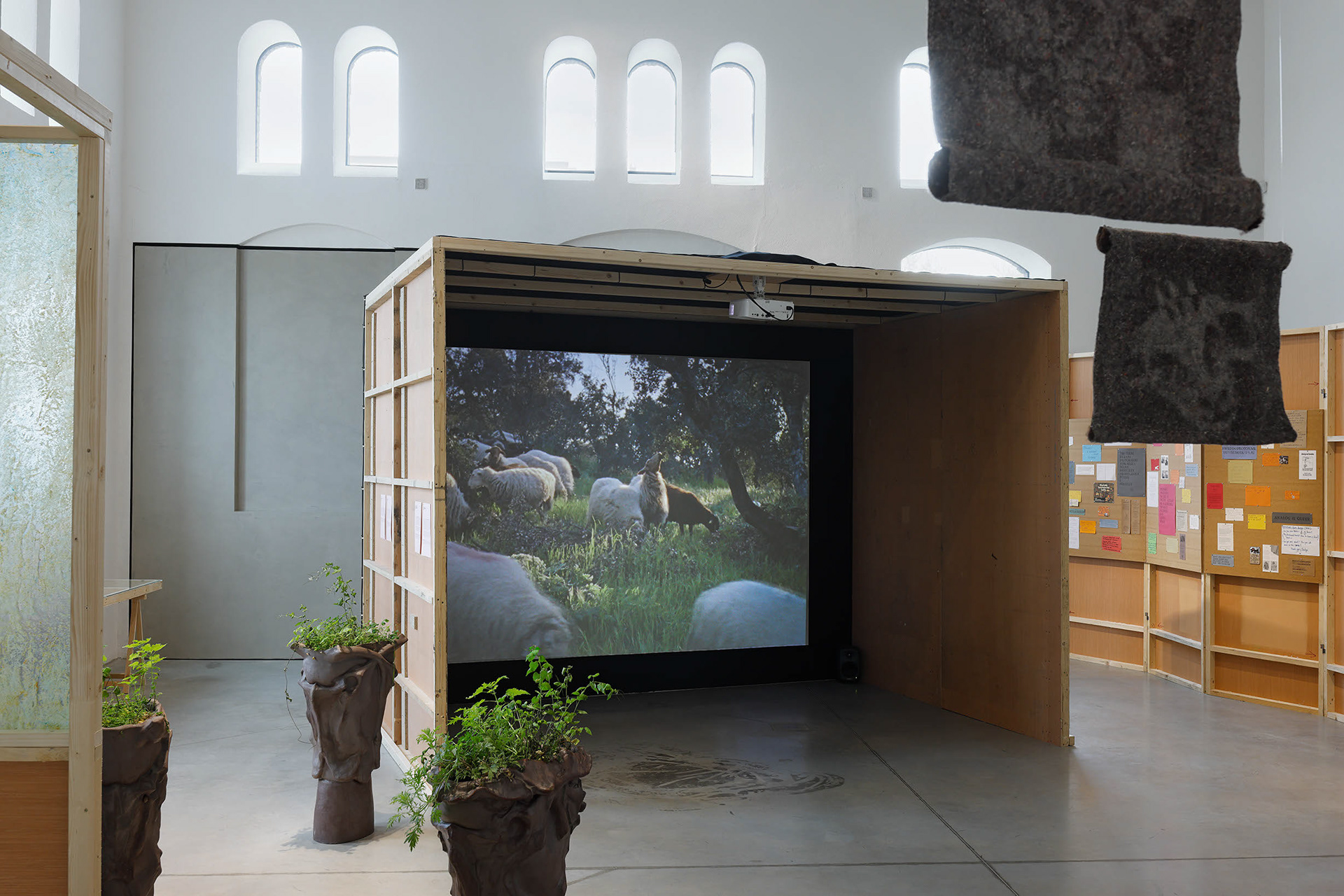
Soil and Friends, Plato Ostrava
30/4–13/9 2026
Artists: Marie Boková, Centrala (Małgorzata Kuciewicz & Simone De Iacobis), Julia Ciunowicz, Polina Davydenko, Dva ospalí vlci, Yoeri Guépin, Ingela Ihrman, Yana Kononova, Dávid Koronczi, Denisa Langrová, Judita Levitnerová & Kateřina Žák Konvalinová, Barbora Lungová & Lenka Škutová & lokální pěstitelé květin, Krzysztof Maniak, Deirdre O’Mahony, Julia Ábalos Reznak, Elisabeth von Samsonow, Alex Sihelsk*, Sounding Soil, Rosario Talevi, Salka Tiziana, Ana Vaz, Ewelina Węgiel, Zabriskie Buchladen für Kultur und Natur, Kryštof Zvolánek
Curators: Marianna Dobkowska & Edith Jeřábková
Architecture: Zbyněk Baladrán
Photos: Martin Polák
(From the series Compostographies)
Steel, MDF, garden residues
600x1860x1860mm
2026
Soil and Friends, Plato Ostrava
30/4–13/9 2026
Artists: Marie Boková, Centrala (Małgorzata Kuciewicz & Simone De Iacobis), Julia Ciunowicz, Polina Davydenko, Dva ospalí vlci, Yoeri Guépin, Ingela Ihrman, Yana Kononova, Dávid Koronczi, Denisa Langrová, Judita Levitnerová & Kateřina Žák Konvalinová, Barbora Lungová & Lenka Škutová & lokální pěstitelé květin, Krzysztof Maniak, Deirdre O’Mahony, Julia Ábalos Reznak, Elisabeth von Samsonow, Alex Sihelsk*, Sounding Soil, Rosario Talevi, Salka Tiziana, Ana Vaz, Ewelina Węgiel, Zabriskie Buchladen für Kultur und Natur, Kryštof Zvolánek
Curators: Marianna Dobkowska & Edith Jeřábková
Architecture: Zbyněk Baladrán
Photos: Martin Polák
...
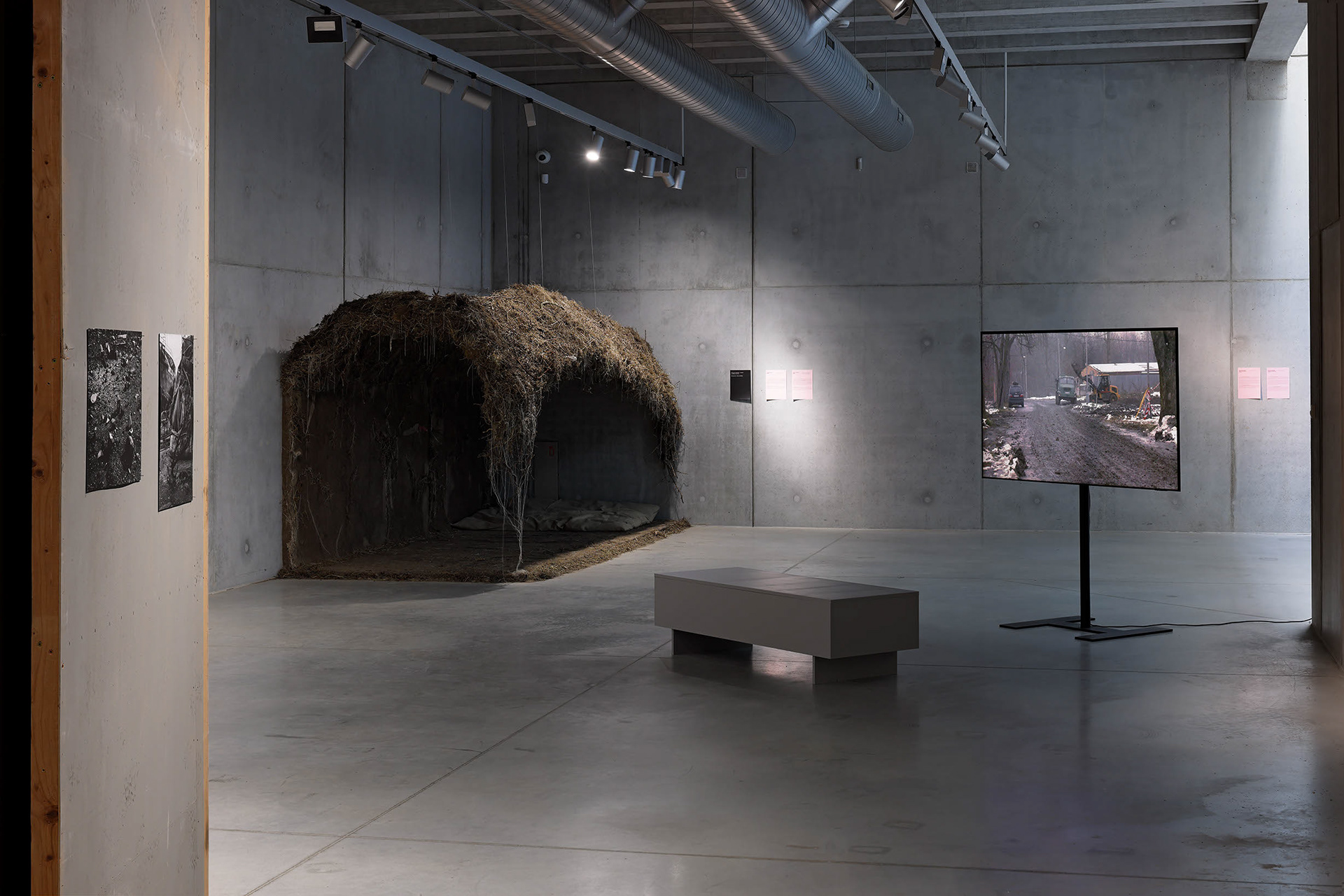
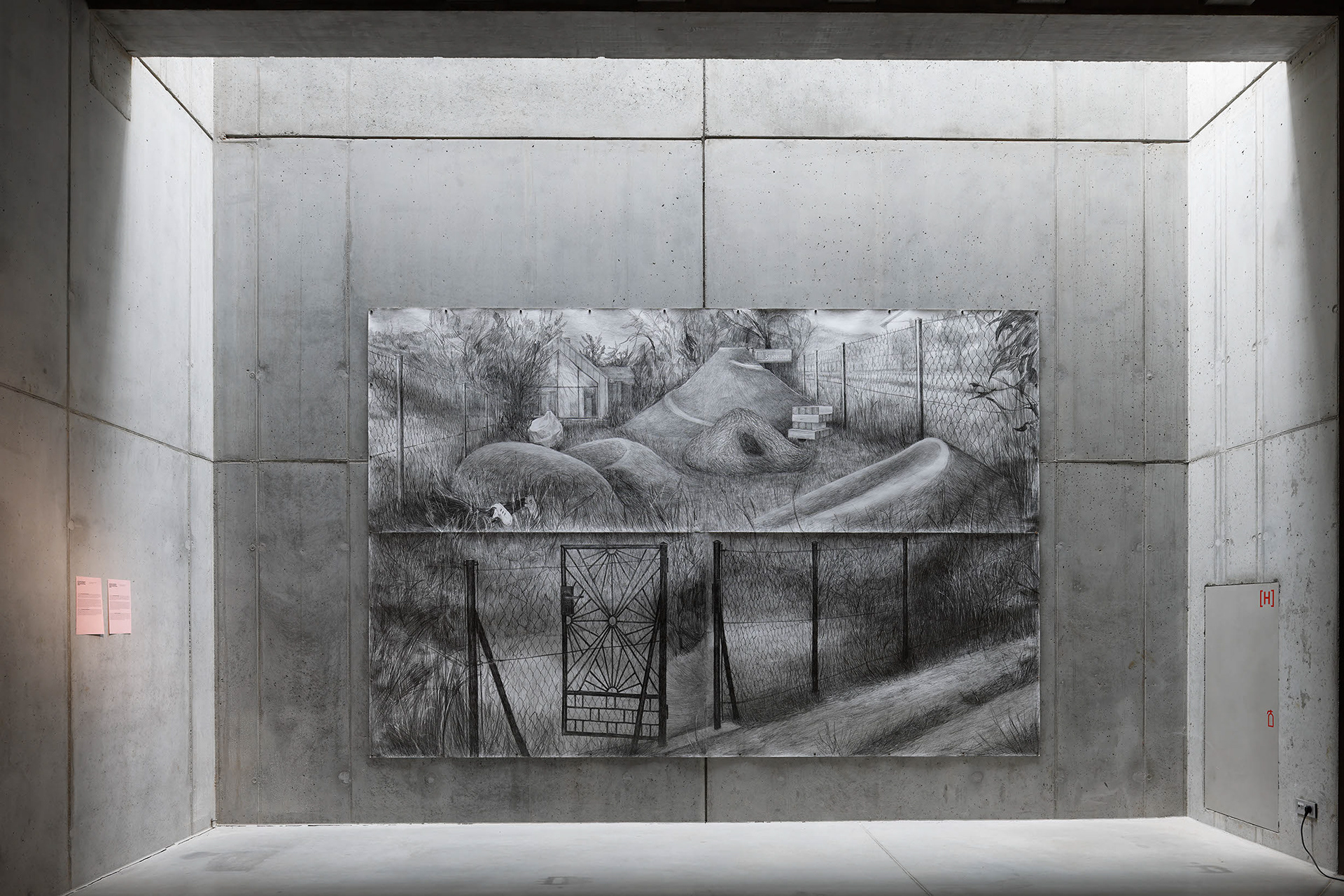
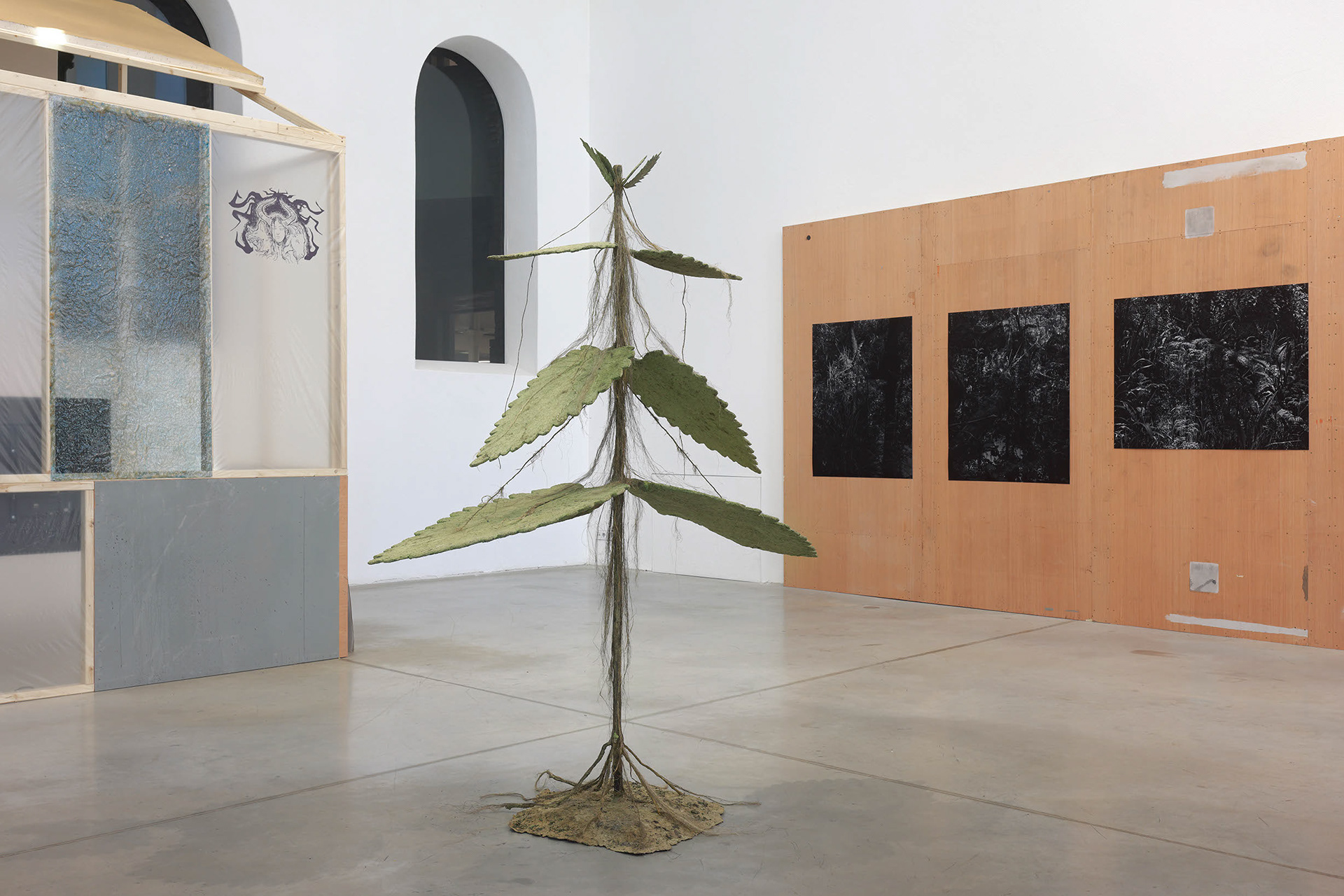
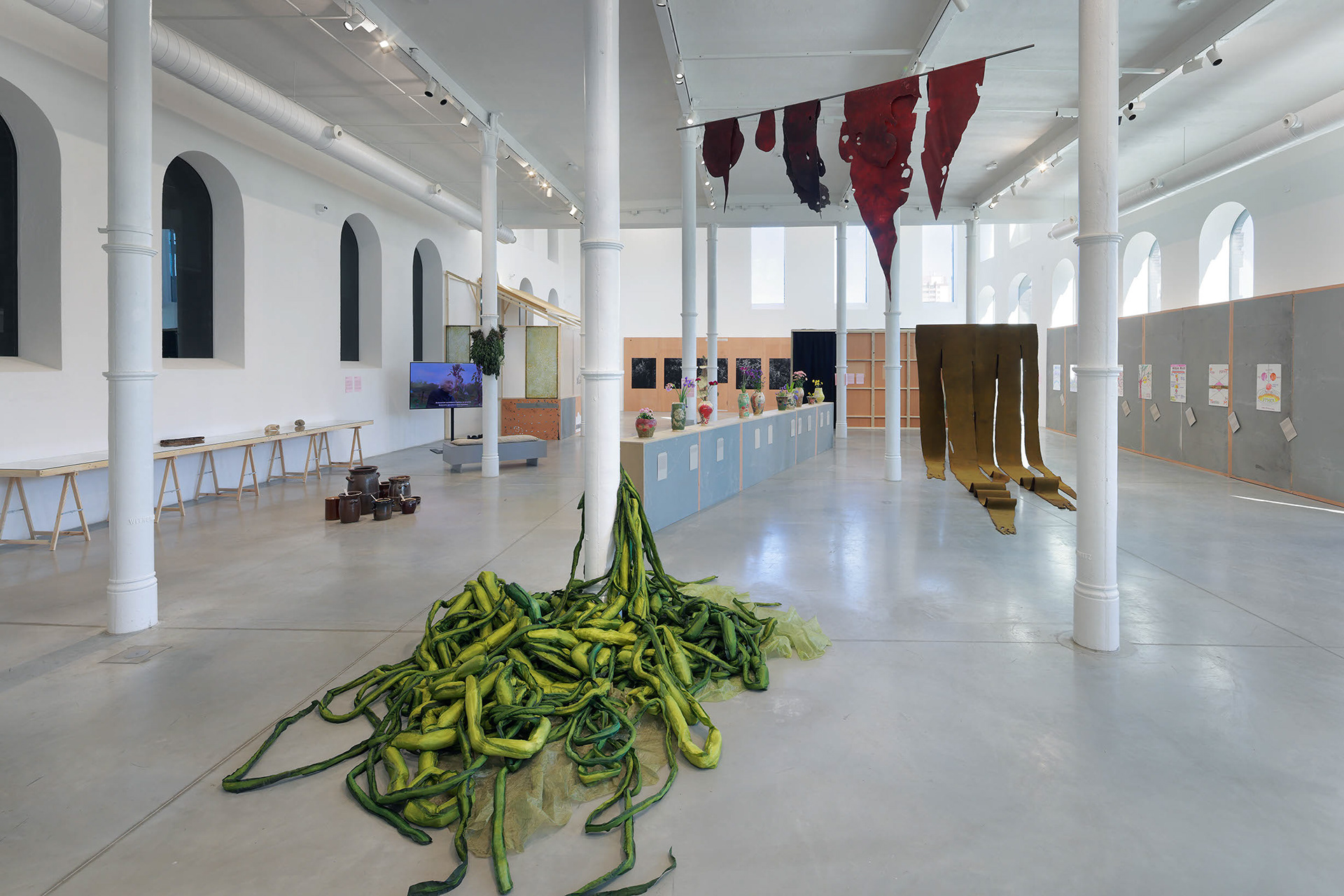
We present to you: soil. Soil is neither invisible nor quiet, as it might erroneously seem, and the plants and animals connected with it are excellent narrators of what’s going on in the depths hidden from human eyes.
Through the invited artists’ varied approaches to issues involving soil, the exhibition studies the intertwined presence and histories of inorganic particles and soil organisms and the plants and animals connected with them, including humans.
Soil has a complex form: it is a material, a source of both life and property, and is capable of influencing global warming – so it’s no surprise that the art world has given its regeneration so much attention. Let’s imagine soil!
...
https://plato-ostrava.cz/en/Vystavy/2026/Puda-A-Pratele
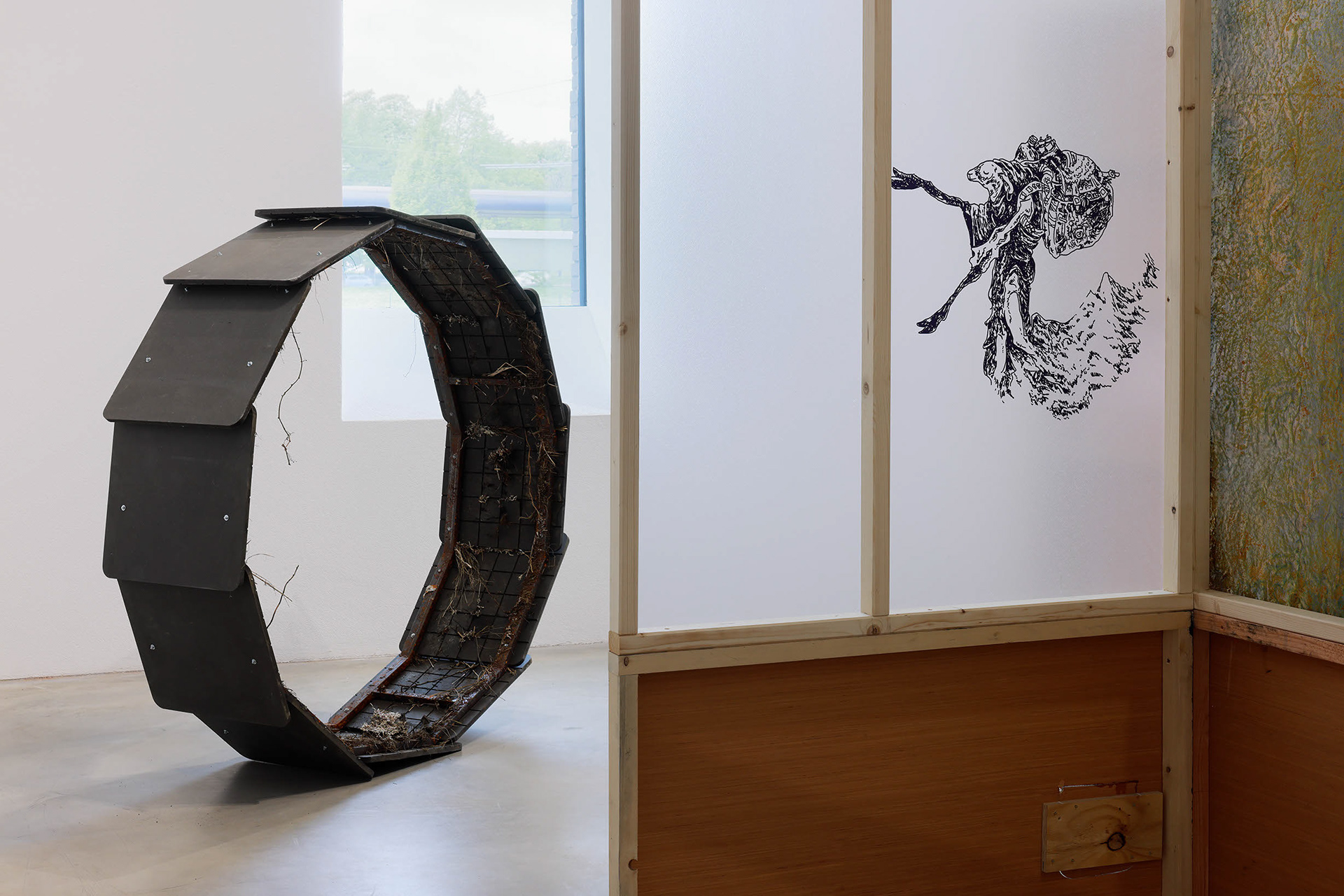
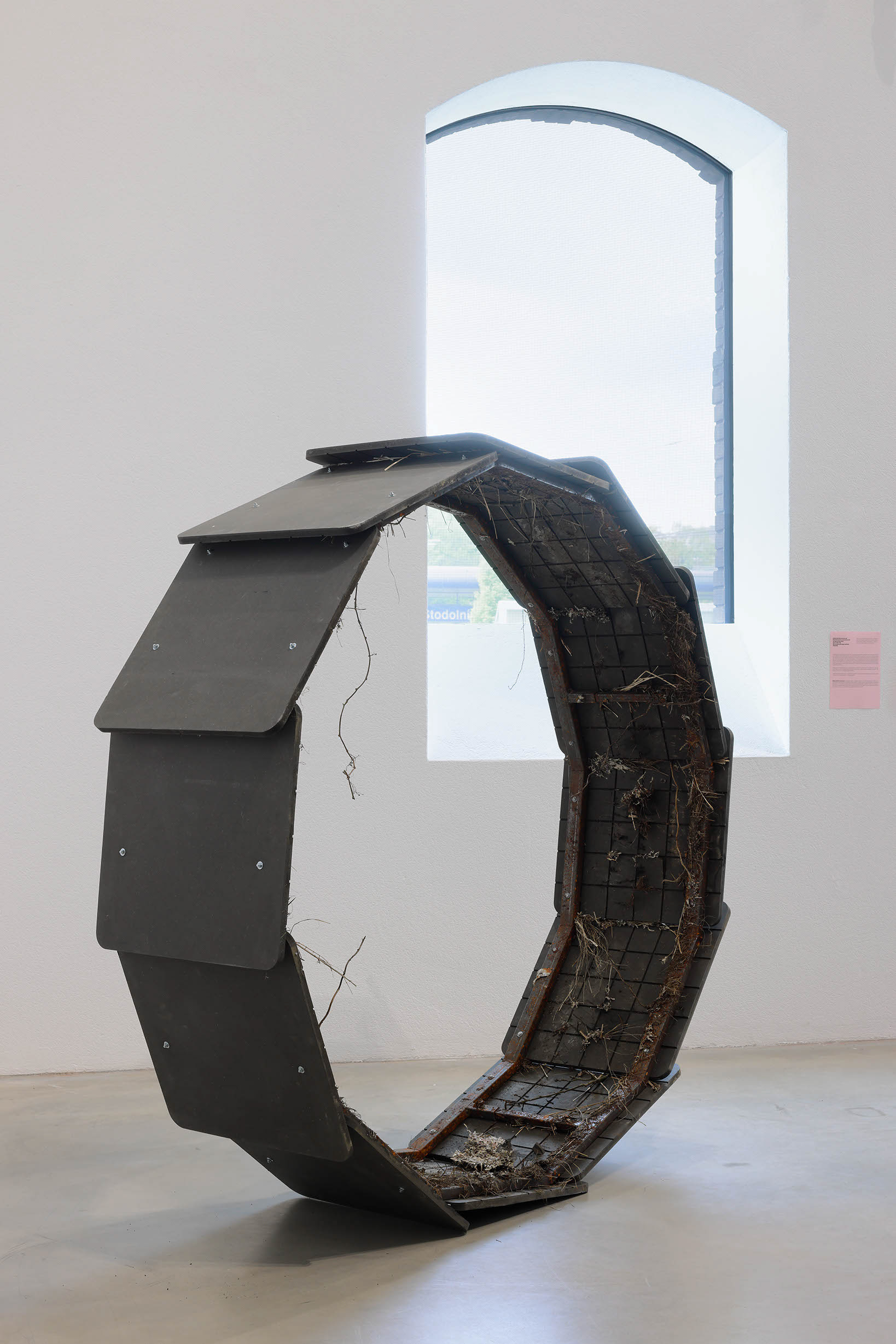
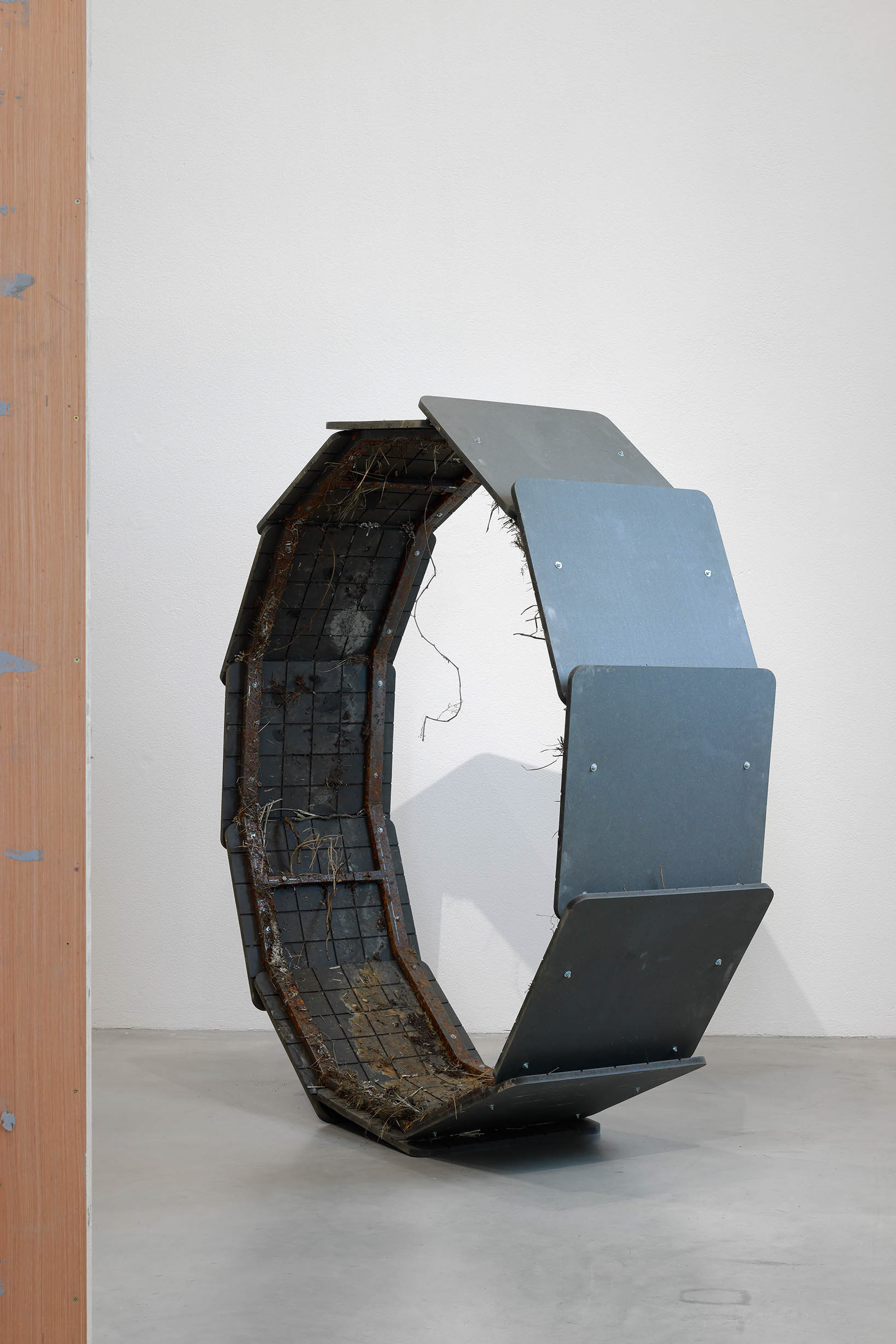
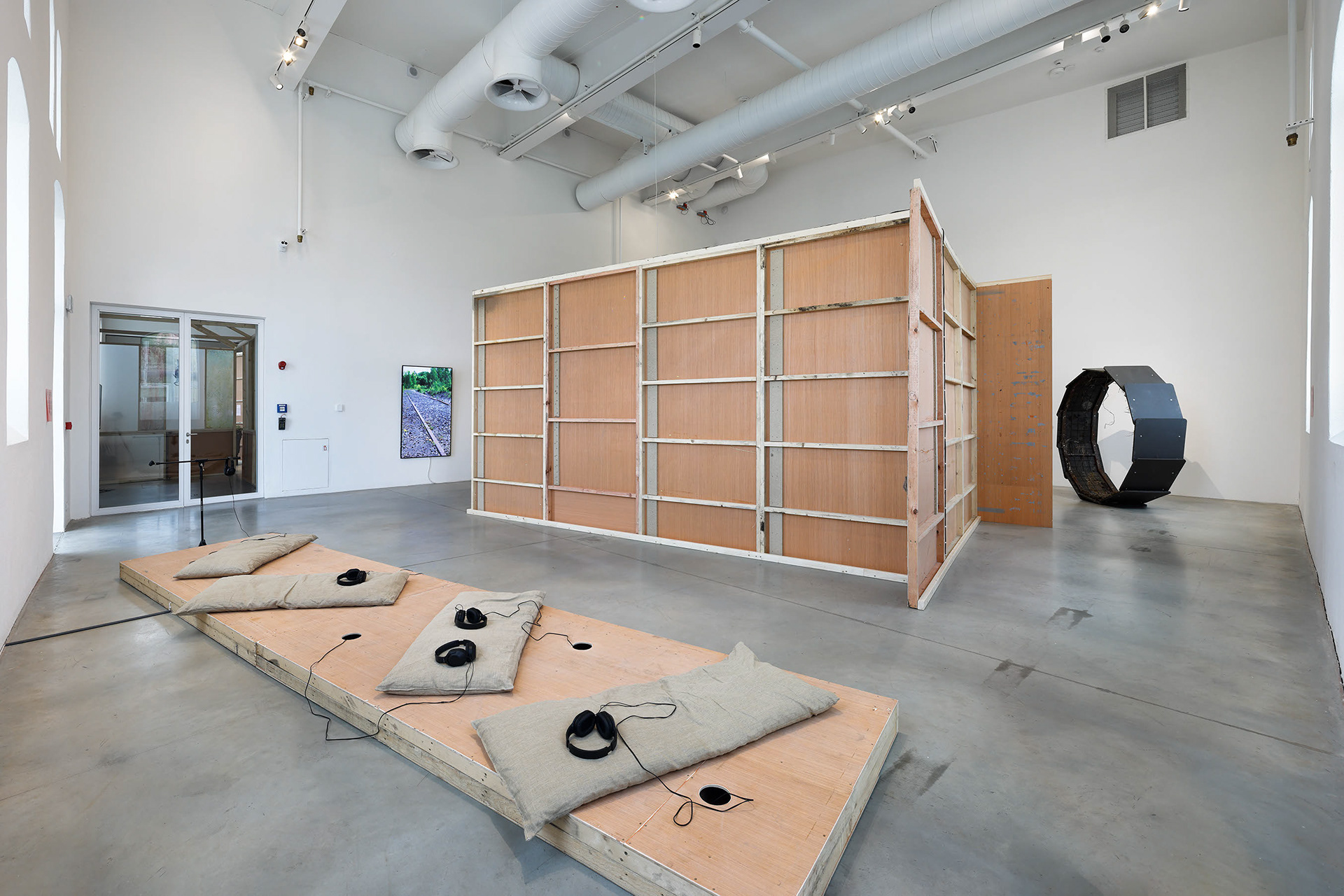
[...] However, if we do wish to add something to the soil, artist Dávid Koronczi practically demonstrates that human culture does not have to stand in opposition to nature; it can be digestible, compostable. Such compost can be added wherever we want to support the formation of the soil’s carbon sponge. Even books can be used in this way. Instead of burning them, as was customary during the Inquisition and under the censorship of various regimes, we need not release them into the atmosphere as CO₂. Rather, we can store the carbon of reading within the artist’s giant ring, where it is composted by bacteria, archaea, fungi, nematodes, springtails, mites, enchytraeids, and earthworms—to name only a few representatives among the tens of thousands of largely unexplored species that live in and create soil.
And what did the artist feed this ring-shaped composter with? Printed materials that bear either a close or a more distant relationship to him: unsold copies of left-wing periodicals (Kapitál, A2), discarded fiction from the Novohrad Library in Lučenec (mostly published between the 1970s and 1990s), an archive of unsold and found books by a Lučenec-based author writing on political economy, shredded invoices, legal documents, letters, and bank statements. Naturally, as any proper alchemist would, he added a little gold: one year’s worth of garden compost, organic matter, wood chips from the spring pruning of fruit trees, sawdust from a local sawmill, kitchen waste, and even a dead kitten.
The shape of the ring is not accidental. The dodecahedron symbolizes the cyclical time of nature and of those agricultural civilizations that divided the year into twelve months and the day into twelve hours. The composter also refers to the human body—it is scaled to the dimensions of the artist himself. What exactly this signifies remains open to interpretation.
The grid engraved into the surface of the composter alludes to the human categorization of the world, disrupted by the organic drawings of almost invisible soil organisms. The composter thus functions simultaneously as a document—or, as the artist describes it, a slow photograph: a compostograph recording the transformation of things and bodies into soil. It may also be understood as a drawing from a place where death becomes life.
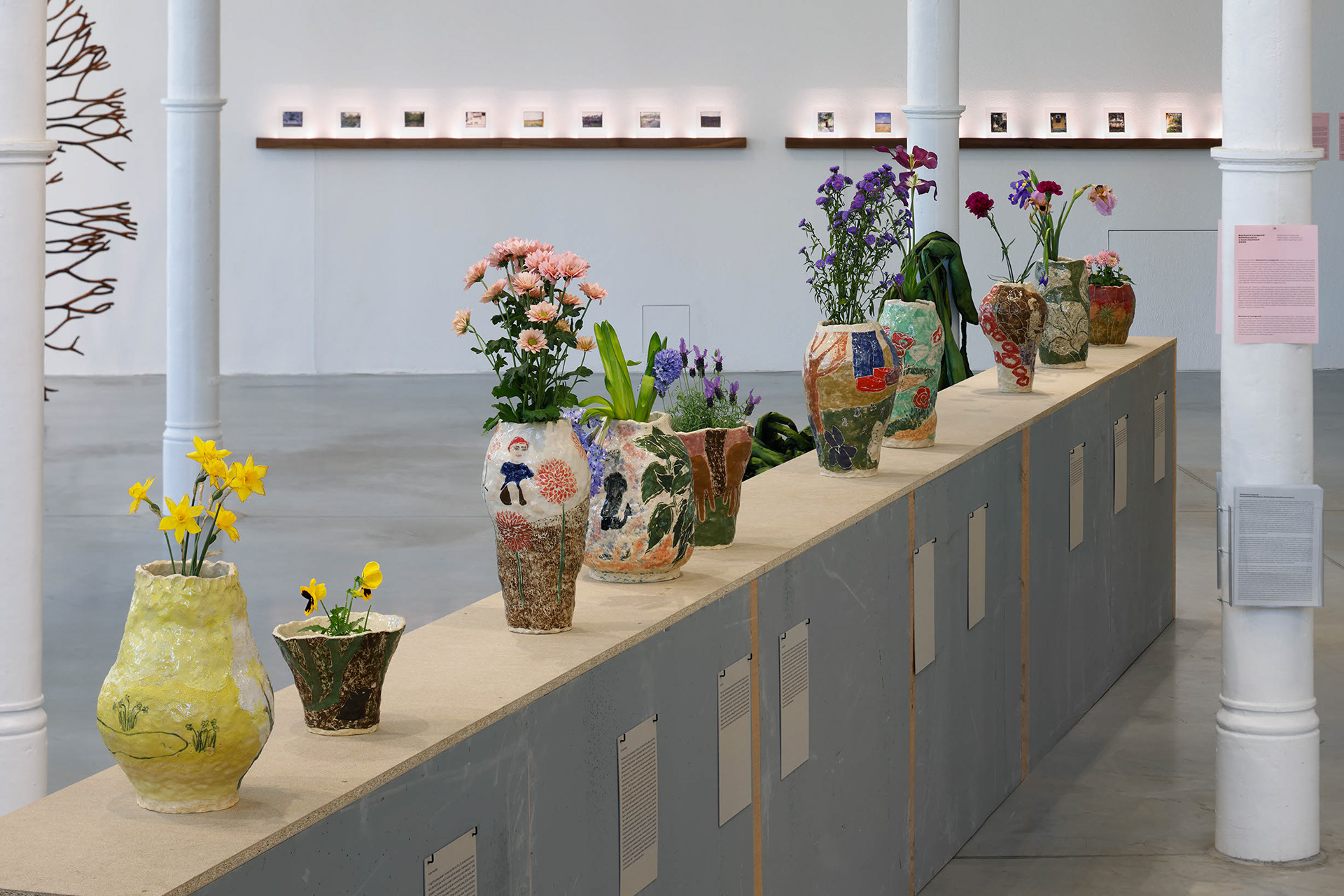
We used this compost in the garden beds designated for growing flowers for the exhibition. Eventually, the composter itself will most likely be composted as well—unless a collecting institution preserves it for posterity. Koronczi demonstrates that the transformative potential of culture is not unlike that of nature, and that the two can, in fact, operate simultaneously.
(excerpt from the curators text, written by Mariana Dobkowska & Edith Jeřábková)